
Water damage claims are often denied because of:
- Delayed reporting
- Poor documentation
- Maintenance issues
- Policy exclusions
- Failure to prevent further damage after the loss.
Many denied claims are often tied to mistakes made before, during, or after the claim process. Some homeowners wait too long to call. Others throw away important evidence during cleanup. A few never realize their policy excludes the type of damage they experienced.
Understanding these reasons can help homeowners avoid expensive mistakes.
Understanding What Homeowners Insurance Usually Covers
Most policies cover sudden and accidental water damage. Common examples include:
| Often Covered | Often Not Covered |
| Burst pipes | Long-term leaks |
| Overflowing appliances | Flooding from outside |
| Sudden plumbing failures | Poor maintenance |
| Accidental water discharge | Groundwater seepage |
| Water heater bursts | Gradual deterioration |
Coverage varies by policy. Reading the policy language matters.
Reason #1: Delayed Reporting of Water Damage
After discovering water damage, some people hope the issue is minor.. Others worry that filing a claim might raise their premiums.
Unfortunately, this does not go down well with insurance companies.
From their view, every day that passes makes it harder to determine exactly what happened. It also becomes more difficult to separate the original damage from extra damage that occurred afterward.
Why Timing Matters
Water damage moves fast. What starts as a damp area may quickly lead to:
- Mold growth
- Swollen drywall
- Warped flooring
- Damaged insulation
- Structural weakening
- Ruined furniture and belongings
Mold can begin growing within 24 to 48 hours. With time, repair costs increase.
How Long Do You Have to Report Water Damage?
There is no set answer. But, many insurance companies expect homeowners to report water damage within 24 to 72 hours of discovering it.
Quick Timeline Guide
| Situation | Recommended Action |
| Active leak or flooding | Report immediately |
| Water discovered behind a wall | Report within 24-72 hours |
| Sudden pipe burst | Report the same day if possible |
| Unsure about damage severity | Report anyway and let professionals assess it |
Why Calling a Restoration Company Helps
Calling a professional restoration company quickly helps satisfy the duty to mitigate damage. This means taking the right steps to prevent the loss from deteriorating..
A restoration company can:
- Stop additional damage
- Extract standing water
- Begin drying the property
- Document conditions
- Record moisture readings
- Create a timeline of events
What Homeowners Should Do Immediately
After discovering water damage:
- Stop the water source if it is safe to do so.
- Take photos and videos before moving anything.
- Contact the insurance company.
- Call a professional restoration company.
- Save receipts for emergency expenses.
- Keep notes of all conversations and claim details.
Reason #2: Poor Documentation
Insurance companies rely heavily on evidence. Without good documentation, proving the loss becomes harder.
What Documentation Should Include
Strong claims often include:
- Photos of damaged areas
- Videos of active leaks
- Receipts for damaged items
- Emergency repair invoices
- Restoration reports
- Maintenance records
The Mistake Many Homeowners Make
A common mistake happens during cleanup. People understandably want the mess gone.
So they:
- Throw away damaged materials
- Remove flooring
- Discard ruined belongings
Unfortunately, they may also remove valuable evidence.
Reason #3: Maintenance Problems and Slow Leaks
Insurance policies generally cover sudden and accidental damage. They do not pay for problems that develop slowly over time. These can be due to wear or neglect.
The Difference Between Sudden and Gradual Damage
Consider these two examples.
| Scenario | Typical Insurance Response |
| A supply line suddenly bursts and floods the kitchen | Often covered |
| A pipe slowly leaks for months and damages cabinets | Often denied |
In the first situation, the event is sudden and unexpected. In the second, the damage develops gradually over time.
That difference pinpoints whether coverage applies.
The 72-Hour Rule Many Policies Use
While policy wording varies, insurers commonly distinguish between:
- Damage that develops within a short period after a covered event
- Damage that occurs over weeks, months, or years
In many cases, water damage that develops within roughly 72 hours of a sudden covered event is more likely to qualify for coverage. By contrast, damage that results from long-term leakage is often excluded.
How Adjusters Determine Whether Damage Is Sudden or Gradual
When an adjuster visits the property, they look for physical clues. They want to know if the water damage happened recently or happened over a long period.
Common signs of long-term exposure include:
- Rusted pipes or fittings
- Corrosion around plumbing connections
- Mold or mildew growth
- Rotting wood
- Mineral deposits
- Dark water stains
- Soft or crumbling drywall
- Multiple layers of previous repairs
These indicators often suggest the problem existed before the reported loss.
What About Hidden Leaks Behind Walls?
Many leaks occur in places people rarely see. Examples include:
- Behind drywall
- Inside ceilings
- Under flooring
- Around shower plumbing
- Behind cabinets
- Inside crawl spaces
Adjusters often investigate whether subtle indicators were present. They may look for:
- Musty odors
- Discoloration on walls
- Bubbling paint
- Warped flooring
- Unexplained increases in water bills
- Persistent humidity
If there were no visible signs, that may support the homeowner’s position. Every claim is evaluated based on its specific facts and policy language.
Reason #4: Policy Exclusions Many Homeowners Never Notice
Most homeowners focus on what their insurance covers. Few pay attention to what it excludes.
Common Water Damage Exclusions
Many policies exclude or limit coverage for:
- Flood damage
- Sewer backups without additional coverage
- Groundwater intrusion
- Long-term seepage or leaks
- Certain types of mold damage
- Water damage in vacant homes
- Maintenance-related issues
Water Damage vs. Flood Damage
A usual homeowners policy typically covers water damage that starts inside the home from a sudden event.
Examples include:
| Event | Typical Coverage |
| Burst pipe | Often covered |
| Water heater failure | Often covered |
| Washing machine overflow | Often covered |
| Dishwasher leak | Often covered |
Flooding means water enters the property from outside. It affects two or more acres of normally dry land. Or it affects two or more properties.
Examples include:
| Event | Typical Coverage |
| River overflow | Usually requires flood insurance |
| Storm surge | Usually requires flood insurance |
| Flash flooding | Usually requires flood insurance |
| Coastal flooding | Usually requires flood insurance |
Most flood protection is brought through the NFIP. It is usually a separate policy.
Mold Coverage Often Has Limits
Many homeowners assume that mold remediation is covered under water damage. That is not always true. Policies place limits on how much they will pay.
Typical mold coverage limits often range from:
- $5,000
- $10,000
- Sometimes higher with endorsements
The Vacancy Exclusion
Homes that sit empty for long periods may face more coverage limits.
For insurance policies, a vacant property is one that has been unoccupied between 30 and 60 consecutive days. In case of water loss at this time, coverage will be limited.
This often affects:
- Vacation homes
- Rental properties between tenants
- Homes being renovated
- Inherited properties waiting for sale
Reason #5: Failure to Mitigate Further Damage
Most policies require homeowners to take reasonable steps to prevent additional damage. This is called mitigation.
What Mitigation Means
After water damage occurs, homeowners are expected to act. That does not mean performing major repairs. It means taking the right steps to reduce further loss.
Examples include:
- Stopping the water source
- Removing standing water
- Protecting belongings
- Beginning drying efforts
- Calling professionals
Why Insurance Companies Care
Insurance covers unexpected losses. It generally does not cover avoidable damage that occurs afterward. Imagine leaving several inches of standing water inside a home for two weeks. The resulting damage may be far worse than the original loss. That creates problems during the claim review.
Fast Restoration Helps
Professional mitigation often includes:
- Water extraction
- Moisture mapping
- Structural drying
- Dehumidification
- Daily monitoring
These steps help reduce damage and create records that support the claim.
What to Do If Your Water Damage Claim Is Denied
A denial does not always mean the end of the process. Many claims are approved later. This is after more information is provided. You must know what to do next.
Step 1: Request the Denial in Writing
The denial letter should include:
- The reason for the denial
- The policy language used to support the decision
- Any documents reviewed during the investigation
This document helps understand exactly why the claim was rejected.
Step 2: Review the Specific Policy Language
Read the actual policy section cited in the denial. Look for:
- Coverage definitions
- Exclusions
- Limitations
- Special endorsements
- Water damage provisions
Step 3: Gather Additional Documentation
Many appeals succeed because new evidence is presented. Helpful evidence may include:
- Photos and videos
- Plumbing inspection reports
- Water mitigation records
- Moisture readings
- Contractor assessments
- Maintenance records
- Repair invoices
- Professional restoration reports
Step 4: Request an Independent Inspection
Sometimes a second opinion helps clarify the cause of loss. An independent inspection may identify:
- The source of the water intrusion
- Whether the damage was sudden or gradual
- Hidden moisture areas
- Structural concerns
- Mold development
This is one reason many homeowners involve restoration companies early in the process.
Step 5: Write a Formal Appeal Letter
Once additional evidence is collected, submit a written appeal. It should include:
- Claim number
- Property address
- Date of loss
- Reason for disagreement
- Supporting documentation
- Request for claim reconsideration
Focus on evidence and policy language. A well-organized appeal receives more serious consideration.
Step 6: Consider Hiring a Public Adjuster
A public adjuster works on behalf of the policyholder.
They can:
- Review the claim
- Evaluate damages
- Interpret policy language
- Negotiate with the insurer
- Help prepare appeal documentation
Public adjusters are typically most useful when large losses are involved.
Step 7: Escalate the Issue If Necessary
If the appeal is denied again, homeowners can contact their state’s insurance regulator.
These agencies may:
- Review claim handling practices
- Investigate complaints
- Request responses from insurers
- Ensure policyholder rights are being followed
Regulators do not guarantee claim approval. But they can help ensure the process is handled fairly.
Step 8: Continue Mitigation During the Appeal
Do not stop restoration work while waiting for the appeal decision. Water damage does not pause because paperwork is under review. Continue taking reasonable steps to protect the property.
This may include:
- Drying affected materials
- Preventing mold growth
- Removing standing water
- Securing damaged areas
When Professional Restoration Documentation Makes a Difference
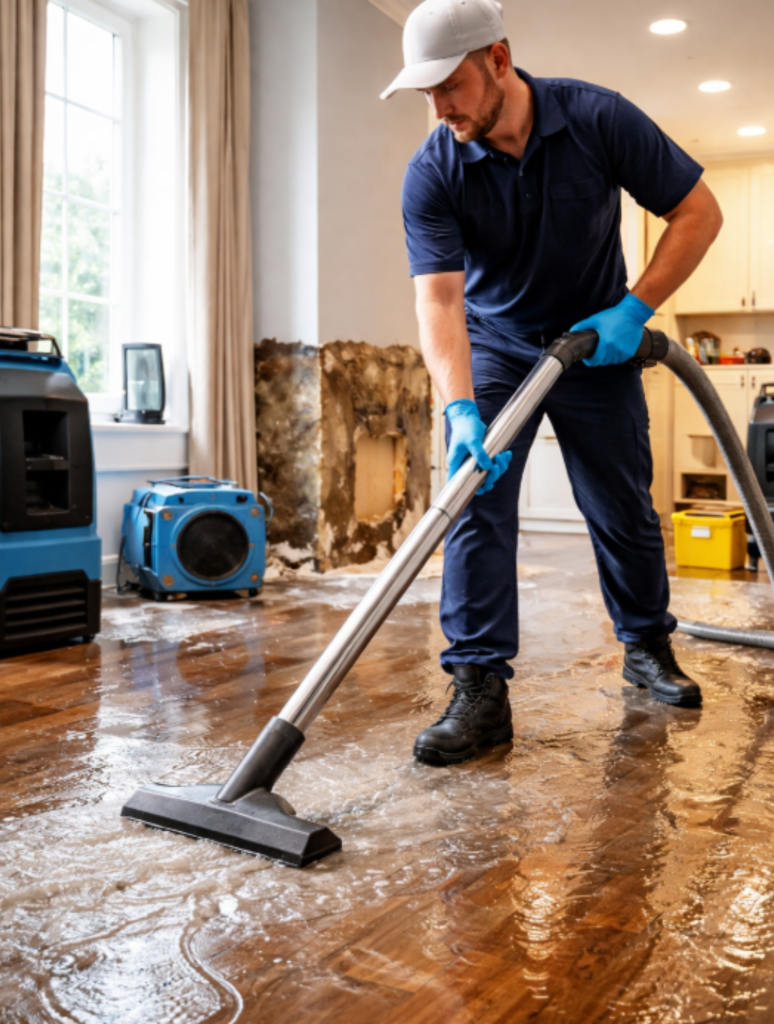
Insurance companies rely heavily on evidence. Professional restoration reports often include:
- Moisture mapping
- Thermal imaging results
- Daily drying logs
- Photographs
- Equipment records
- Damage assessments
This documentation helps establish:
- What happened
- How severe the damage was
- What steps were taken to prevent further loss.
Revive Pro Restoration provides detailed documentation throughout the restoration process. This information can help support homeowners when questions arise during claim reviews or appeals.
Final Thought
Water damage often feels overwhelming enough on its own. Adding a denied insurance claim can make the situation even harder. But many denials stem from issues homeowners can avoid with fast reporting, good documentation, and professional restoration support.
FAQs
Can I Appeal a Denied Water Damage Claim?
Yes, a denied water damage claim can often be appealed. Start by requesting the denial reason in writing. Review the policy language carefully and gather stronger evidence, such as photos, repair records, plumber reports, and restoration assessments. Many denials are overturned when homeowners provide additional documentation that supports the cause and extent of the damage.
How Long Do I Have to File a Water Damage Insurance Claim?
The deadline depends on the insurance policy and state laws. Most insurers expect homeowners to report water damage as soon as possible after discovering it. Many claims are reported within 24 to 72 hours. Waiting too long can create coverage issues because insurers may argue that delayed reporting made the damage worse.
What Counts as Sudden and Accidental Water Damage?
Sudden and accidental water damage is unexpected damage that happens quickly rather than over time. Common examples include a burst pipe, a broken appliance hose, or an overflowing washing machine. These events are often covered by homeowners insurance. Damage from long-term leaks, neglect, or poor maintenance is usually treated differently.
Does Homeowners Insurance Cover Mold After Water Damage?
It depends on what caused the mold. If mold develops because of a covered water damage event, some policies may provide limited coverage. However, many insurers place mold coverage caps between $5,000 and $10,000. Mold caused by long-term leaks, poor maintenance, or neglected repairs is often excluded from coverage.
What Is a Public Adjuster and Do I Need One?
A public adjuster is a licensed professional who works for the policyholder rather than the insurance company. They review damage, estimate losses, and help manage claim negotiations. Many homeowners handle claims on their own, but a public adjuster may be helpful when a claim is denied, underpaid, or involves significant water damage.
Can Water Damage Be Denied Due to Lack of Maintenance?
Yes, lack of maintenance is one of the most common reasons water damage claims are denied. Insurance companies typically cover sudden events, not problems that develop over months or years. Signs such as rust, corrosion, mold growth, and long-term staining can suggest neglect. Regular inspections and maintenance records can help support a claim if coverage is questioned.