
Key Takeaways
- After a fire, make sure everyone is safe and stay out until officials clear the property.
- Call your insurance company right away and document every detail.
- Take photos and videos before any cleanup begins.
- Smoke damage can spread deep into the home, even without visible flames.
- Fast professional restoration helps prevent bigger damage and lowers repair costs.
The first thing to do after a fire is to make sure everyone is safe. Then call a professional Los Angeles fire damage restoration company right away.
If a home or business in LA has fire damage, fast action helps stop more damage. It speeds up recovery.
Waiting can lead to:
- Permanent smoke odor
- Mold growth
- Structural weakening
- Corrosion on metal fixtures
- Deep soot staining
- Insurance claim complications
A small delay can turn a repair into a rebuild. In LA, where rebuild permits can already take time, that is not a delay anyone wants.
1. Document Everything Before Cleanup Starts
Many people rush back inside. That instinct makes sense. People want to grab phones or check what survived. Still, entering too soon can be risky.
After a fire, homes may have:
- Weak floors
- Damaged ceilings
- Hidden hot spots
- Electrical hazards
- Toxic smoke residue
Wait until firefighters or local officials say it is safe. This is especially important in older Los Angeles homes.
Historic properties in places like Hancock Park or Pasadena often have hidden structural spaces. In them, fire damage spreads unseen.
2. Call Insurance Right Away
Once everyone is safe, call the insurance company as soon as possible. Do not wait until the next day. Most insurance companies log claims by the time they are reported. That first timestamp can help move next steps faster.
This is especially important after large wildfire events in Los Angeles. When major fires affect whole neighborhoods, claims pile up fast. Adjusters get booked quickly. Getting your claim started early can help keep things moving.
Have this information ready before calling:
- Policy number
- Property address
- Date and time of the fire
- A short description of the damage
- Fire department report number if available
- Photos or videos if already taken
Keep a notebook nearby. Write down:
- Claim number
- Adjuster’s full name
- Direct phone number
- Email address
- Date and time of every call
California Wildfire Protections Matter
California law gives wildfire survivors extra protection. This is present under California Insurance Code Section 675.1. Insurers are restricted from canceling or refusing to renew certain residential policies for one year after a declared wildfire emergency in protected ZIP codes.
This is called the one year insurance cancellation moratorium.
Suppose your home is in a protected area after a declared wildfire. That protection may apply even if your property suffered smoke damage and not direct flame loss.
Smoke Damage Claims Work Differently Than Fire Loss Claims
A house does not need visible flames to have a valid claim. Smoke can cause major damage on its own.
It can:
- Stain walls and ceilings
- Damage electronics
- Settle inside HVAC systems
- Leave toxic soot residue
- Create long term odor problems
Insurance companies often handle smoke claims differently from total fire loss claims. This is because smoke damage is often less visible. An adjuster may not immediately see how deep it goes. That is why documentation matters so much.
Take photos of:
- Soot residue
- Smoke staining near vents
- Ash near windows and doors
- Odor affected contents
- HVAC contamination signs
Ask About Additional Living Expenses (ALE)
ALE may help pay for temporary costs if the home is not safe to live in during repairs.
This may include:
| Covered Cost | Examples |
| Temporary housing | Hotel stays or short term rentals |
| Meals | Extra food costs if cooking is not possible |
| Laundry | Outside laundry service costs |
| Storage | Temporary storage for belongings |
| Transportation | Added travel costs tied to displacement |
Coverage depends on the policy. Still, it is always worth asking.
In Los Angeles, temporary housing costs can rise fast. Even a short hotel stay near the city can become expensive. ALE can help ease that pressure.
What If the Insurance Claim Gets Denied?
California homeowners still have options. The California Department of Insurance issued Bulletin 2025-7 exists to help. It reminds insurers of fair claims handling duties after wildfire losses.
This guidance reinforces timely investigation and clear communication. It also enforces proper claim review standards.
If a claim is denied:
1. Ask for the denial reason in writing
Do not settle for a vague explanation. Request the exact policy language they used.
2. Review the denial carefully
Look for:
- Missing documentation
- Coverage interpretation errors
- Incorrect cause of loss assumptions
3. Gather stronger proof
Helpful records include:
- Fire department reports
- Professional restoration inspection reports
- Smoke contamination testing
- Contractor assessments
- Photos and video evidence
4. File a complaint with the California Department of Insurance if needed
The CDI can review claim handling concerns and help push for proper insurer response.
5. Bring in certified restoration experts
Professional documentation often changes outcomes. Insurance carriers respond to detailed moisture readings and formal restoration reports.
3. Document Everything Before Cleanup Starts
Before moving damaged items, take photos and videos.
Capture:
- Burned areas
- Smoke stains
- Damaged furniture
- Electronics
- Wet flooring
- Ceiling damage
- Exterior damage
Good records help with:
- Insurance claims
- Replacement value disputes
- Restoration planning
- Faster approvals
4. Call a Los Angeles Fire Damage Restoration Company Fast
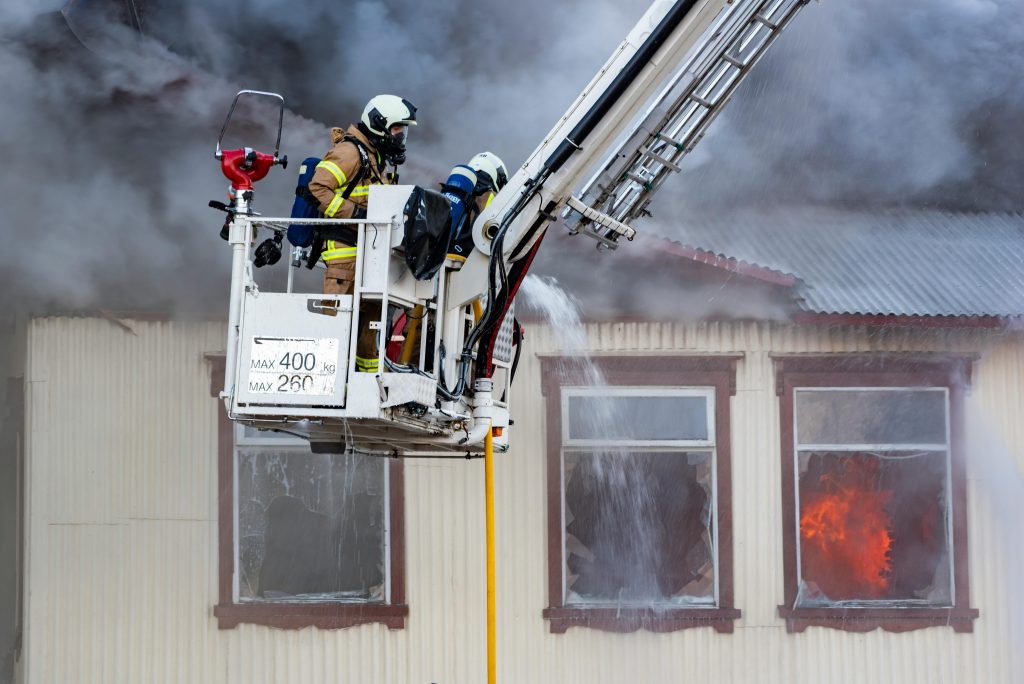
A proper Los Angeles fire damage restoration team handles damage the right way.
Revive Pro Restoration is IICRC certified. That means their work follows industry standards for fire, smoke, and water recovery. That matters because insurance companies trust documented professional restoration. More importantly, it protects the home long term.
What Fire Damage Restoration Looks Like
Fire leaves behind layers of damage that are easy to miss at first. Smoke gets into tiny spaces. Water soaks deep into materials. Heat can weaken parts of the structure that still look normal.
That is why professional Los Angeles fire damage restoration follows a careful step by step process.
Here is what the full process usually looks like.
Inspection and Assessment
Restoration starts with a full inspection. Technicians use thermal imaging cameras and moisture meters to find hidden hot spots and trapped water. This step helps catch damage that cannot be seen right away.
Board Up and Roof Tarping
If windows or roofing are damaged, the home is secured with boards and heavy tarps. This keeps out weather and unwanted entry while repairs are planned.
Water Removal and Drying
Firefighting often leaves standing water behind. Teams use industrial extractors and dehumidifiers to dry the structure fast. Skipping this step can lead to mold and weak building materials.
Smoke and Soot Cleanup
Smoke leaves harmful residue on walls and furniture. Professionals use HEPA vacuums and special cleaning agents. This allows them to remove soot safely. Wrong cleaning methods can spread stains deeper.
Odor Removal
Smoke odors hide in drywall, insulation, carpets, and HVAC systems. Tools like thermal foggers and ozone machines. They remove odor at the source instead of covering it up.
Repairs and Reconstruction
Once the home is clean and dry, rebuilding begins. This can include drywall repair, flooring replacement, painting, and structural fixes. The goal is to make the home safe and comfortable again.
Smoke Damage Is Often Worse Than Fire Damage
In many Los Angeles fire losses, smoke causes more widespread damage than flames. A room can look untouched and still be contaminated.
That is because smoke does not stay in one place. It moves through vents and tiny openings around windows and doors. It spreads fast.
Once it settles, it leaves behind harmful residue. This keeps causing damage if it is not removed the right way.
This became a major issue after the 2025 Eaton and Palisades fires. It led to smoke contamination across nearly 20,000 properties within the fire perimeters.
Some homes had direct burn damage. Many others had heavy smoke contamination without flames ever entering the structure.
That is why smoke damage inspections matter so much.
What Is Actually in Wildfire Smoke?
Wildfire smoke often carries a mix of burned materials. This is especially in older LA neighborhoods with very old homes.
In areas like Altadena and Pacific Palisades, older structures may contain materials that release dangerous particles when burned.
This can include:
- Lead particles from old paint
- Arsenic compounds from treated wood and building products
- Asbestos fibers from older insulation, flooring, roofing, or pipe materials
- Plastic combustion chemicals
- Soot and carbon particles
- Volatile organic compounds from synthetic materials
These particles can settle on:
- Walls
- Floors
- Furniture
- Air vents
- Clothing
- Children’s toys
- Kitchen surfaces
They do not just sit there harmlessly. They can become airborne again. That creates a hidden problem many homeowners never see coming.
HVAC Systems Can Spread Smoke Back Through the House
This happens often after wildfire smoke exposure. The HVAC system pulls contaminated air into ductwork. Smoke particles settle inside vents, coils, and filters. Then later, when the system turns back on, those particles can circulate again.
This is called re-aerosolization. It means contamination keeps moving through the home even after the fire is gone. That is why smoke odor often seems to “come back.” It usually was never fully removed.
Signs this may be happening:
- Smoke smell gets stronger when AC starts
- Dust settles quickly after cleaning
- Family members cough more indoors
- Air filters darken unusually fast
Delayed Cleanup Can Affect Health
Smoke residue can affect health if left untreated.
This is especially true for:
- Children
- Older adults
- People with asthma
- Anyone with lung conditions
- Pets
Common symptoms after smoke exposure include:
- Headaches
- Coughing
- Throat irritation
- Eye irritation
- Fatigue
- Shortness of breath
Why Fast Professional Restoration Matters
Professional smoke remediation should start quickly. Certified restoration teams know where smoke hides and how to remove it safely.
Revive Pro Restoration uses IICRC-certified restoration standards to inspect, clean, deodorize, and restore smoke-damaged homes.
That process includes:
- Full contamination inspection
- Air quality evaluation
- Surface testing when needed
- HVAC contamination checks
- Safe soot removal
- Odor neutralization
- Documentation for insurance claims
That documentation is critical. Insurance companies often need proof of contamination before approving deeper remediation work. Professional inspection reports provide that proof.
How Long Does Los Angeles Fire Damage Restoration Take?
The timeline depends on how much damage the property has. Here is what most homeowners can expect.
| Damage Level | Typical Timeline |
| Minor smoke cleanup | 3 to 7 days |
| Moderate fire and water damage | 2 to 6 weeks |
| Major structural rebuilding | Several months or longer |
That said, Los Angeles has another factor that affects timing. Permits, which right now can take time.
After the 2025 fires, rebuilding demand across Los Angeles surged. As of early 2026, only about 2,500 of more than 12,000 cleared properties had received rebuild permits.
That backlog has slowed many projects.
The Los Angeles Department of Building and Safety reviews permits for structural repairs, and electrical work among other things. Simple restoration work may begin fast. Full rebuilding often waits for approvals.
Here, certified restoration teams help. Experienced professionals know local permit steps. They prepare clean documentation and submit proper repair scopes. They help avoid delays caused by missing details.
How Much Does Fire Damage Restoration Cost in Los Angeles?
The final cost depends on several things:
- How large the fire was
- How long the fire burned
- Smoke and soot spread
- Water damage from firefighting
- Structural repairs needed
- Permit requirements from LADBS
- Material and labor costs in Los Angeles
Here is what fire damage restoration usually costs in Los Angeles.
| Damage Type | Typical Cost Range | What It Usually Includes |
| Minor fire or smoke damage | $3,000 to $12,000 | Smoke cleanup, odor removal, small repairs |
| Moderate fire and water damage | $12,000 to $50,000 | Drying, soot cleanup, drywall and flooring repairs |
| Severe structural fire loss | $50,000 to $180,000+ | Major rebuild, framing repair, roofing, electrical and full reconstruction |
Fire damage can feel overwhelming. But quick action makes recovery easier. Staying safe, documenting everything, and calling certified professionals right away can prevent bigger problems later. With the right help, even serious fire damage can be repaired.
FAQs
How long does fire damage restoration take in LA?
The timeline depends on how bad the damage is. Minor smoke cleanup may take 3 to 7 days. Moderate fire and water damage can take 2 to 6 weeks. Severe structural damage may take several months. In Los Angeles, permit delays can also slow things down, especially if rebuilding work needs city approval.
Does homeowners insurance cover fire damage in California?
Yes, most homeowners insurance policies in California cover fire damage if the loss is sudden and accidental. This often includes structural repairs, smoke cleanup, and damaged belongings. Some policies also cover hotel stays through Additional Living Expenses. Coverage depends on the policy, so it is always smart to review details carefully.
What is the average cost of fire damage restoration in Los Angeles?
Fire damage restoration in Los Angeles often costs between $3,000 and $180,000 or more. Small smoke cleanup jobs cost less, while major structural repairs cost much more. The average insurance claim often falls between $11,900 and $20,090. Final costs depend on damage size, smoke spread, water damage, and permit needs.
Can smoke damage make a home uninhabitable?
Yes, smoke damage can make a home unsafe to live in. Smoke leaves toxic particles on surfaces and inside air systems. These particles can affect breathing and cause headaches, coughing, and irritation. If smoke reaches HVAC ducts or deep building materials, professional cleanup is usually needed before the home is safe again.
What should I not do after a house fire?
Do not enter the home until officials say it is safe. Do not turn on electricity if damage is present. Avoid touching soot or sweeping ash because it can spread harmful particles. Do not throw damaged items away too soon. Always document everything first and wait for professional guidance before cleaning.