
A home warranty usually does not cover water damage itself. It covers only the repair of specific systems or appliances that caused it.
Water damage affects around 14,000 homeowners in the U.S. daily.
A lot of confusion comes from mixing up “water damage,” “repairs,” and “insurance coverage.” They sound similar. But they behave very differently when a claim is filed. That difference can decide whether a homeowner pays a small service fee or a massive restoration bill.
Understanding What a Home Warranty Really Covers
It’s important to first know what a home warranty is built to do.
A home warranty is a service contract. It helps pay to repair or replace certain home systems when they break from normal usage. It does not usually pay for damage to the home itself after that failure happens.
Suppose a water heater stops working because of age. Here, the warranty may help pay to repair or replace the unit. But suppose the same water heater leaks and soaks the drywall. Fixing that water damage usually falls outside the warranty.
Here is what most standard home warranty plans often cover.
| Commonly Covered Systems | What May Be Included | Typical Coverage Limit |
| Plumbing systems | Supply lines, drain lines, shut off valves, toilet mechanisms | $500 to $2,000 per contract term |
| Water heaters | Tank and internal mechanical parts | $1,000 to $1,500 |
| HVAC systems | Cooling and heating mechanical parts | $1,500 to $5,000 |
| Electrical systems | Wiring, panels, outlets, breakers | $500 to $2,000 |
| Kitchen appliances | Dishwashers, ovens, garbage disposals | $500 to $3,000 |
A home warranty usually covers the failed part itself. It does not cover the mess that failure creates.
For example:
Covered:
- A failed dishwasher pump
- A broken shut off valve
- A faulty HVAC condensate drain component
Usually Not Covered:
- Water damaged wood floors
- Wet drywall from pipe leaks
- Mold caused by hidden moisture
- Damage caused by neglected maintenance
Water Damage vs. Repairs: What Does a Home Warranty Really Cover?
A home warranty typically covers the repair or replacement of the broken item. It does not cover the water damage caused by it.
Imagine a pipe under the sink bursts while someone is at work. By the time they return, water has soaked the cabinets and warped the flooring. It has also soaked into the drywall.
A home warranty might:
- Repair or replace the broken pipe
- Fix the plumbing system component
But it usually will NOT:
- Replace damaged flooring
- Repair soaked drywall
- Handle mold growth
- Clean up standing water
- Restore structural damage
That part often falls into homeowners insurance or a restoration company.
Why Water Damage and Repairs Get Confused So Often
The confusion makes sense. When water damage happens, it starts with a “repairable” issue.
A leaking water heater looks like a warranty problem. In some ways, it is. But the damage it creates spreads fast.
Water does not stay polite. It moves into:
- Floorboards
- Wall insulation
- Electrical lines
- Cabinets
- Subflooring
A small drip can turn into a full restoration job in hours. So the home warranty might step in for the faulty unit. But the surrounding damage becomes a separate problem.
What Home Warranty Companies Usually Exclude
A home warranty can help with repair costs. That part is true. But coverage has limits. Those limits are usually buried deep in the service contract.
Here is what most home warranty companies commonly exclude.
| Common Exclusion | What It Means | Why Claims Get Denied |
| Gradual or slow leaks | Damage happened over time | Seen as lack of maintenance |
| Pre existing conditions | Problem existed before coverage started | Considered outside contract terms |
| Improper installation | Unit was installed incorrectly | Warranty covers failure, not poor workmanship |
| Mold and mildew | Damage caused by long term moisture | Usually viewed as preventable |
| Structural damage | Damage to walls, floors, framing | Warranty covers systems, not building materials |
| Flooding or rising water | Water entered from outside source | Usually falls under insurance, not warranty |
| Sewer backups | Wastewater damage from drain failure | Often excluded unless special coverage exists |
Let’s break down the biggest problem areas.
Gradual Leaks vs. Sudden Damage
This is the most common claim issue. Home warranty companies often cover sudden mechanical failures. They usually do not cover damage caused by slow leaks. These are the leaks that build up over weeks or months.
Here is the difference.
Usually easier to claim:
- A pipe suddenly bursts
- A water heater tank cracks overnight
- A dishwasher motor fails and leaks immediately
Often denied:
- A drip under the sink for six months
- A rusty pipe that slowly leaked behind drywall
- Water damage caused by ignored warning signs
Pre Existing Problems
Most home warranty contracts have waiting periods. This is usually around 30 days. If a company believes the issue existed before coverage started, they can deny the claim.
This happens when:
- Rust shows long term wear
- Mold suggests old moisture exposure
- Previous repairs were incomplete
- Inspection records show older issues
This is why keeping service records helps so much. That proof can make a huge difference.
Improper Installation
A system may fail. But if it was installed wrong years ago, coverage may still be denied.
Examples include:
- Water heaters installed against code
- Poorly connected dishwasher supply lines
- HVAC drain lines with bad slope or routing
The warranty covers breakdowns caused by normal use. It usually does not cover failures caused by poor setup.
Secondary Water Damage
Let’s say a covered pipe fails. The repair itself may be approved. But suppose that leak ruins hardwood floors, drywall, or baseboards. In this case, the surrounding damage often falls outside the warranty.
That repair usually becomes an insurance claim.
What to Do If Your Claim Gets Denied
If a claim gets denied, take these steps.
1. Ask for the exact denial reason
Request it in writing. Look for the contract language they are using. This matters because general statements like “not covered” are not enough.
Specific wording tells you what to challenge.
2. Review your contract carefully
Check for:
- Covered plumbing components
- Mechanical failure language
- Exclusion wording
- Service call notes
Sometimes coverage exists. However, homeowners do not fully understand what it covers.
3. Gather better evidence
Strong documentation can change outcomes.
Helpful proof includes:
- Photos from the day damage happened
- Videos of active leaking
- Maintenance records
- Plumber inspection notes
- Repair invoices
This helps prove the issue was sudden and not neglected.
4. Request a second review
Most warranty companies allow internal appeal reviews. Stay calm and be specific. Focus on facts, dates, and evidence.
5. Bring in a licensed professional
An independent plumber, HVAC technician, or restoration expert can document failure cause. Professional reports often carry more weight during disputes. That outside opinion can strengthen an appeal fast.
Home Warranty vs. Homeowners Insurance for Water Damage
A home warranty handles breakdowns. Homeowners insurance handles damage events.
Home warranty covers:
- Broken systems
- Appliance failures
- Mechanical issues
Homeowners insurance covers:
- Sudden water damage
- Burst pipe damage to property
- Storm-related water intrusion
- Structural repairs
- Restoration costs
So when asking does home warranty cover water damage or just repairs, the answer usually leads to insurance for the damage itself.
But even insurance has limits. For example, if a leak has been happening for months without repair, claims can be denied.
That is where timing and documentation suddenly become very important.
Common Coverage Situations Explained
Here are the most common situations homeowners face and what usually happens next.
| Situation | Typical Cost Range | Who to Call First | Usually Covered By |
| Burst pipe | $1,000 to $5,000+ | Plumber or restoration company | Warranty for repair, insurance for damage |
| Dishwasher leak | $500 to $4,000 | Warranty provider | Depends on leak timeline |
| Water heater burst | $1,500 to $6,000+ | Restoration company | Warranty for unit, insurance for damage |
| Roof leak after storm | $2,000 to $12,000+ | Insurance company | Usually insurance |
| Washing machine flood | $1,500 to $8,000+ | Restoration company | Often insurance |
| HVAC condensate leak | $800 to $5,000 | HVAC technician | Warranty for repair, insurance varies |
Let’s walk through each one.
1. Burst Pipe at Night
This often happens in winter. A pipe freezes, pressure builds, and then it breaks. Here is what happens:
First call:
Call a plumber or emergency restoration company.
What to document:
- Photos of standing water
- Video of active leaking
- Time damage was discovered
- Any damaged walls or flooring
Typical timeline:
Water cleanup should start within 24 hours. Mold can begin growing within 24 to 48 hours if moisture stays trapped.
Coverage usually looks like this:
The home warranty may pay to fix the failed plumbing component if it is covered under the contract.
Homeowners insurance may help with drywall, flooring, and water cleanup. This is, if the event was sudden and accidental.
2. Dishwasher Leak
A dishwasher can leak slowly for weeks. Sometimes the only clue is a musty smell near the sink. By then, the damage may already be inside the floor.
First call:
Call a warranty provider if the appliance failed
What to document:
- Visible leaks
- Appliance condition
- Water stains
- Date first noticed
Typical timeline:
Inspection usually happens within 24 to 72 hours after filing a claim.
Coverage usually looks like this:
If the dishwasher pump or internal part fails, the repair may be covered.
But if damage built up slowly over time, homeowners insurance often denies the claim. This is because slow leaks will be categorized by the insurance under maintenance issues.
3. Water Heater Failure
Water heaters often fail without warning. If the tank bursts, cleanup needs to happen fast.
First call:
Call a water damage restoration company. Then call the warranty company. This order matters because stopping damage comes first.
What to document:
- The leaking tank
- Water spread area
- Serial number on the unit
- Date and time discovered
Typical timeline:
Emergency extraction often begins the same day. Unit replacement may take 1 to 3 days depending on warranty claim approval.
Coverage usually looks like this:
The warranty may cover repair or replacement of the failed heater if the breakdown is covered. Insurance may cover damaged drywall, storage items, and flooring if the leak was sudden.
4. Roof Leak After a Storm
Heavy storms can push water into places it should never reach. Water may drip through ceilings hours later.
First call:
Call the Insurance company. Then contact a roofing contractor or restoration team.
What to document:
- Photos of roof damage
- Interior ceiling stains
- Weather reports if available
- Date of storm event
Typical timeline:
Claims adjusters often inspect within several days depending on regional demand after storms.
Coverage usually looks like this:
Home warranties usually do not cover roof systems. They only cover if the special roof leak coverage was added. Insurance often covers sudden storm-related interior damage.
5. Washing Machine Flood
A cracked supply hose can dump gallons of water into a laundry room in minutes. If no one is home, the damage spreads fast.
First call:
Call an emergency restoration company. Then call insurance and warranty if the machine itself failed.
What to document:
- Broken hose or failed appliance
- Water path through flooring
- Damage to nearby walls
Typical timeline:
Drying equipment usually runs 3 to 5 days depending on moisture levels.
Coverage usually looks like this:
If the machine failed due to normal wear, warranty coverage may apply for repairs. Insurance often handles structural water damage. They do so if the flooding was sudden.
6. HVAC Condensate Leak
Air conditioners create condensation. If the drain line clogs, water backs up and spills into ceilings or walls. It often shows up as a mystery ceiling stain.
First call:
Call an HVAC technician. Then call the restoration help if the drywall is wet.
What to document:
- Ceiling discoloration
- Active dripping
- HVAC service history
Typical timeline:
Repairs often happen within 1 to 2 days. Drying may take several more.
Coverage usually looks like this:
A warranty may cover mechanical HVAC repairs if included in the contract. Insurance coverage depends on whether neglect caused the blockage.
What Homeowners Should Do Immediately After Water Damage
When water shows up where it does not belong, speed of action is critical. Here are practical steps that help protect both coverage and property:
- Shut off water source immediately
- Document everything with photos and videos
- Contact warranty provider for system issues
- Contact insurance provider for damage claims
- Call a restoration team for cleanup if needed
- Start drying within 24 hours if possible
Why Professional Restoration Matters After Water Damage
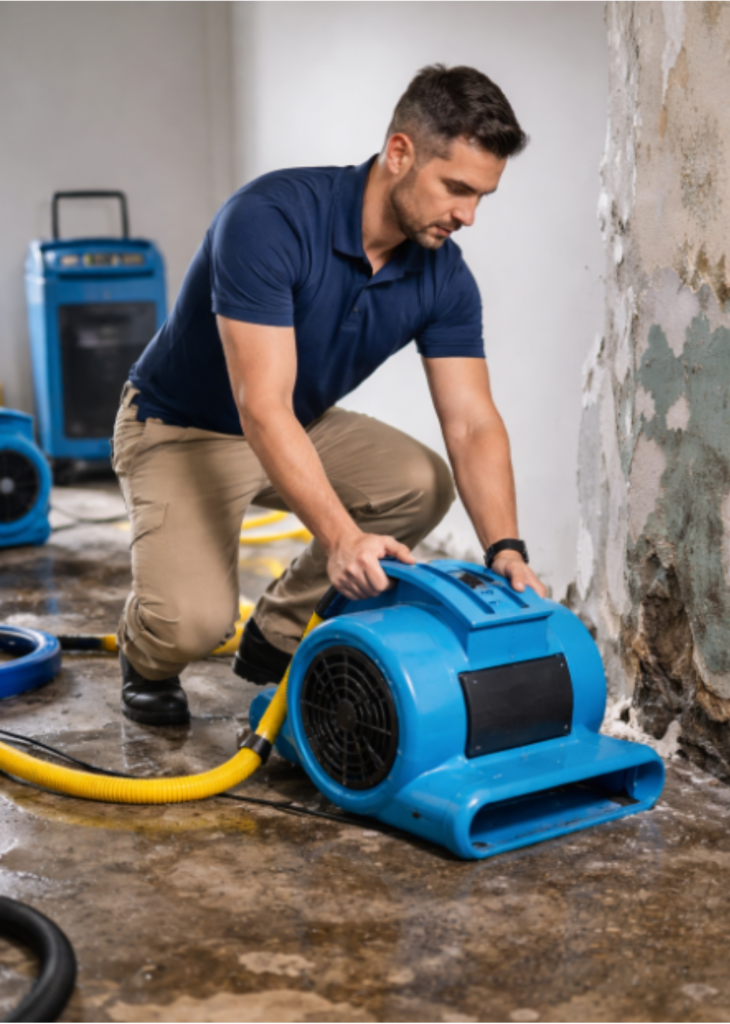
Water moves fast. It slips under the flooring. It can even reach wiring inside the walls. That is why acting fast matters.
This is where a certified restoration team like Revive Pro Restoration makes a real difference.
Revive Pro Restoration is IICRC certified. IIRC stands for the Institute of Inspection Cleaning and Restoration Certification. It sets the industry standard for water damage restoration.
Insurance companies often prefer working with IICRC certified teams. This is because they follow proven processes. Their work is documented. Moisture readings are tracked. Drying is verified properly.
That lowers the chance of hidden moisture causing mold or future structural damage. It also helps support insurance claims when documentation is needed.
Here is what the restoration process usually looks like.
| Step | What Happens | Why It Matters |
| Inspection and moisture check | Certified technicians assess visible and hidden damage | Finds problems before they spread |
| Water extraction | Standing water is removed fast | Stops deeper material damage |
| Drying and dehumidification | Industrial drying equipment removes trapped moisture | Prevents mold growth |
| Monitoring | Moisture levels are checked daily | Confirms drying is complete |
| Cleaning and sanitizing | Surfaces are treated if needed | Reduces contamination risks |
| Repairs and rebuild | Damaged materials are repaired or replaced | Restores the home fully |
Professional drying often uses:
- Commercial dehumidifiers
- Air movers
- Moisture meters
- Thermal imaging tools
- Containment barriers if needed
These tools help detect moisture behind walls and under flooring. This is one reason insurance companies move quickly when certified restoration teams are involved.
A properly documented drying process can:
- Help support claim approvals
- Reduce disputes over damage extent
- Lower long term repair costs
- Prevent mold related secondary claims
Mold can begin growing within 24 to 48 hours when moisture stays trapped. Once that happens, cleanup gets much more expensive.
Revive Pro Restoration helps solve that problem with free inspections. That gives homeowners quick answers without extra pressure. A certified technician can inspect the damage and explain what happened. They can help determine what steps should come next.
Either way, knowing early helps avoid expensive surprises later. That is the real difference between a simple repair and full restoration.
A home warranty may fix the broken part. Professional restoration makes sure the home itself is truly safe and ready to live in again.
FAQs
Does home warranty cover burst pipe damage?
A home warranty may cover the repair of the burst pipe if the plumbing system is included in the plan. It usually does not cover damage caused by the leaking water, like wet walls or ruined flooring. That part is often handled through homeowners insurance if the pipe burst suddenly and was not caused by neglect.
What does home warranty not cover?
Home warranties usually do not cover water damage to walls, floors, or furniture. They also often exclude mold, gradual leaks, poor maintenance, and problems that existed before coverage started. Damage from floods, storms, or sewer backups is also commonly excluded unless separate protection or insurance coverage is in place.
Is a leaking pipe covered by home warranty?
A leaking pipe may be covered if the leak comes from normal wear and tear in a covered plumbing system. If the leak happened slowly over time, the claim may be denied as a maintenance issue. Most plans cover fixing the pipe itself, but not repairing water damage caused by the leak.