
An emergency fire blanket is one of the fastest and safest ways to stop small kitchen fires. It prevents it from turning into something serious.
Picture this. A pan sits on the stove. Oil heats up fast. You step away for a minute. Then smoke starts rising. It happens that quickly. Kitchen fires often start small. But they grow fast if nothing stops them.
In many homes, a fire blanket quietly sits in a drawer or cabinet, often overlooked. But when the moment comes, it can make a real difference.
Why Kitchen Fires Happen So Easily
Kitchens are busy places. Heat, oil, and open flames are part of daily life. It only takes one small mistake to start a fire.
Have you ever left food unattended for a minute? Maybe answered a call or checked a message? That is all it takes.
Common causes include:
- Leaving cooking unattended
- Overheating oil or grease
- Flammable items near the stove
- Faulty appliances or wiring
- Distractions during cooking
U.S. Kitchen Fire Statistics You Should Know
Kitchen fires are not rare events. They happen every day across the United States.
Here are some key statistics that will put things into perspective.
- Cooking is the leading cause of home fires, making up about 48% of all reported home fires
- Cooking is also the top cause of home fire injuries in the U.S.
- Unattended cooking has been the main reason most kitchen fires start
- Most cooking fires begin on the stovetop, not in ovens or microwaves
Why an Emergency Fire Blanket Matters in the Kitchen
An emergency fire blanket works by cutting off oxygen. Fire needs air to survive. When you cover it fully, the flames die out.
But here is the key. You do not need special training. You do not need to aim or spray anything. You just place the blanket over the fire.
This makes it a great choice for homes with kids or older adults. It’s also an effective option for anyone who wants a simple safety tool.
Emergency Fire Blanket vs. Fire Extinguisher
Both tools help in fire emergencies. But they work in very different ways.
| Feature | Fire Blanket | Fire Extinguisher |
| Ease of use | Very simple to use | Needs basic training |
| Best for | Small kitchen fires | Larger or spreading fires |
| Cleanup | No mess at all | Leaves powder or foam residue |
| Risk level | Low and controlled | Can feel stressful in panic |
A Deeper Look at Key Differences
| Feature | Fire Blanket | Fire Extinguisher |
| Best fire class | Class A, B, and K (small fires) | Class A, B, C (depends on type) |
| Grease fire safety | Very effective | Can work, but creates mess |
| Maintenance | No regular servicing needed | Needs annual inspection |
| Reusability | Usually one-time use | May be reusable if serviced |
| Food safety | Safe around food areas | Residue can contaminate food |
When to Use a Fire Blanket
A blanket is the best choice when the fire is small and contained. Use it for:
- Grease or oil fires on the stove
- Small pan or pot fires
- Flames on clothing
- Small trash fires
It works especially well for Class K fires. These involve cooking oils. Water should never be used here as it spreads the flames. A blanket avoids that risk completely.
When to Use a Fire Extinguisher
An extinguisher is better for larger fires or when flames start spreading. It works well for:
- Fires involving wood or paper (Class A)
- Electrical fires (Class C, with the right extinguisher)
- Situations where distance is needed
But it does require some basic knowledge to use safely.
The PASS Method for Fire Extinguishers
Fire extinguishers follow a simple method called PASS:
- Pull the pin
- Aim at the base of the fire
- Squeeze the handle
- Sweep side to side
This method works. But it can feel hard to remember in a stressful moment.
Why Many Kitchens Prefer Fire Blankets
In kitchens, grease fires are the biggest risk. A blanket handles these safely without spreading flames.
An extinguisher can still put out the fire. But it leaves behind a thick residue. That residue can damage surfaces and contaminate food.
That’s why many people keep a blanket close by for quick action.
When You Should Use an Emergency Fire Blanket
Not every fire needs the same response. A blanket works best in specific situations.
Use it for:
- Small pan or grease fires
- Flames on a stovetop
- Clothing fires
- Small trash can fires
Avoid using it if the fire is large or spreading fast. That is when it is time to leave and call for help.
How an Emergency Fire Blanket Works
An emergency fire blanket works by stopping one key part of the fire. Fire needs three things to keep burning. Heat, fuel, and oxygen. This is called the fire triangle. If one part is removed, the fire cannot continue.
A blanket blocks oxygen. Without air, flames lose strength and go out.
What Fire Blankets Are Made Of
Most fire blankets are made from heat-resistant materials. These are designed to handle high temperatures safely.
Common materials include:
- Fiberglass fabric
- Silicone-coated layers
These materials can resist heat up to around 1,076°F (580°C). This makes them suitable for small but intense fires, especially in kitchens.
What Types of Fires They Work On
Fire blankets are effective for certain types of fires.
| Fire Type | Where It Happens | Can a Blanket Work? |
| Class A | Paper, wood, cloth | Yes, for small fires |
| Class B | Flammable liquids | Yes |
| Class K | Cooking oils and grease | Yes, best use case |
Grease fires are one of the most common kitchen hazards. A blanket effectively works well here. It covers the fire and stops oxygen without spreading the flames.
Where Fire Blankets Do NOT Work
Fire blankets are not for every situation. Avoid using them for:
- Large or fast-spreading fires
- Class D fires involving metals
- Strong electrical fires where power is still on
In these cases, it is safer to leave the area and call emergency services.
Step-by-Step: How It Works
Here is how to use it in a real moment:
- Pull the blanket out of its case
- Hold it in front of you like a shield
- Move close to the fire carefully
- Place it gently over the flames
- Cover the fire fully with no gaps
- Leave it in place until everything cools
Do not lift it too soon. Air can enter and restart the fire.
Why It Feels Easier to Use
There is no spray. No loud noise. No confusion at the moment. You simply cover the fire and let the blanket do its job.
That is why many people prefer it for kitchens. It turns a stressful situation into a simple action that feels easier to control.
Where to Keep Your Emergency Fire Blanket
Placement matters more than people think. If it is hard to reach, it will not help in an emergency.
Good spots include:
- Near the stove, but not too close
- Inside a cabinet at eye level
- Mounted on a wall for easy access
Ask yourself this. If a fire starts, can you grab it in seconds? If the answer is no, move it.
Common Mistakes People Make
Even with the right tool, mistakes can happen. Knowing what to avoid is just as important.
Avoid these:
- Throwing the blanket instead of placing it
- Leaving gaps where air can enter
- Lifting the blanket too soon
- Using it on large fires
What Makes an Emergency Fire Blanket a Smart Choice
An emergency fire blanket checks many boxes. It is:
- Easy to use
- Safe for beginners
- Effective for common kitchen fires
- Low maintenance
- Affordable
Kitchen Safety Habits That Work With It
A fire blanket works best when combined with good habits like:
- Stay in the kitchen while cooking
- Keep flammable items away from heat
- Use timers as reminders
- Turn pot handles inward
- Keep a lid nearby for small fires
When a Small Fire Becomes a Bigger Problem
Not all fires stay small. Sometimes, even after putting out flames, damage remains.
Smoke can spread to walls and ceilings. Soot can settle on surfaces. The smell can linger for days.
You may wonder, is the space truly clean?
Hidden damage can sit inside walls or vents. That is where professional help becomes important.
What Happens After a Kitchen Fire
After a kitchen fire, what you see is only part of the problem. The flames may be gone. But the damage often stays behind. Wiping surfaces is not enough. Smoke and heat can reach places that are not easy to notice at first.
Here is what can still be present:
- Smoke stains on walls and ceilings
- Soot on cabinets, counters, and appliances
- Strong odors trapped in fabrics and air
- Heat damage to wood, paint, and wiring
Some damage stays hidden. Smoke can move through air vents. It can settle inside HVAC systems. Soot can stick inside ductwork. It keeps spreading through the home. Odors can sink into insulation behind walls. Heat can weaken materials.
This is why DIY cleanup can be risky. Soot can contain harmful particles. They irritate the lungs and skin. Wiping it the wrong way can spread it deeper into surfaces. Also, damaged materials may not be safe to handle without proper tools.
What Professional Restoration Looks Like
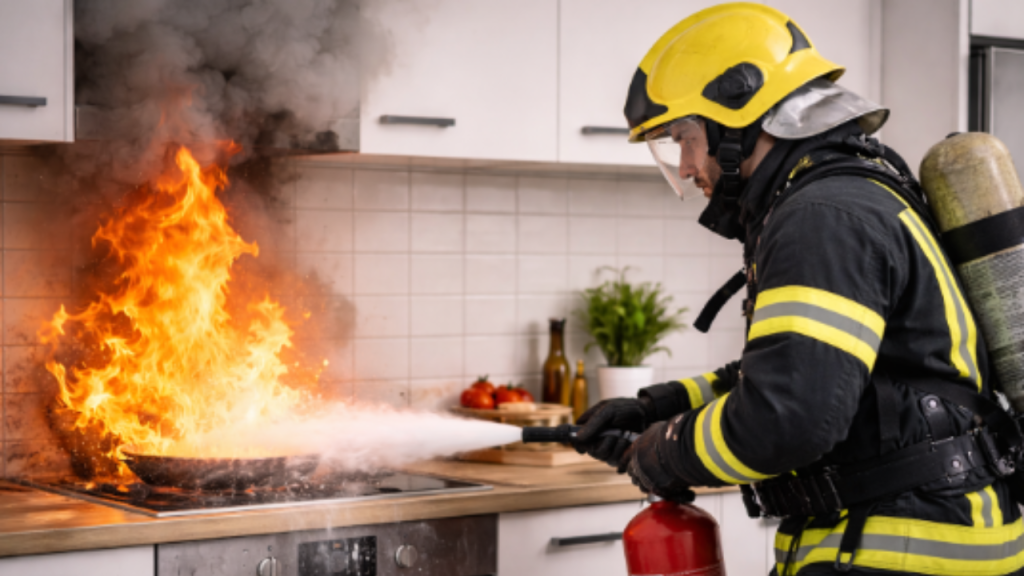
Fire damage restoration follows a clear and careful process. Each step focuses on safety and long-term repair.
| Step | What Happens |
| Inspection | Experts assess visible and hidden damage |
| Containment | Affected areas are isolated to stop spread |
| Cleaning | Soot and residue are removed safely |
| Odor removal | Air is treated to remove smoke smell |
| Repairs | Damaged materials are restored or replaced |
Why Acting Early Matters
Taking action early helps prevent long-term damage. It also reduces repair costs and improves indoor air quality.
For homes dealing with fire damage, professional help can make a big difference. Fire damage restoration service from Revive Pro Restoration focuses on cleaning and restoring your space safely.
Because after the fire is out, the real question is simple. Is your home truly safe, or is there hidden damage still waiting to surface?
Final Thought
A small flame in the kitchen can turn into a big problem fast. The question is not just whether a fire might happen, but whether you are ready if it does.
FAQs
Can a fire blanket be reused?
Most fire blankets are designed for one-time use only. Heat can weaken the material, even if it looks fine after use. Small tears or hidden damage may reduce its safety next time. For this reason, replacing the blanket after any fire is the safest choice. It ensures reliable performance when another emergency happens.
What size fire blanket do I need for my kitchen?
For most kitchens, a blanket around 40 x 40 inches works well. This size can cover a small stovetop or pan fire easily. Larger kitchens may benefit from a bigger blanket for added coverage. The key is full coverage of flames. If the blanket is too small, it can not block oxygen properly.
Can you use a fire blanket on a grease fire?
Yes, a fire blanket works very well on grease fires. These fires should never be treated with water, as that spreads flames quickly. A blanket safely covers the pan and cuts off oxygen. Place it gently over the fire and leave it in place. This helps stop the flames without causing a flare-up.
How long does a fire blanket last?
Fire blankets can last several years if stored properly. Most manufacturers suggest checking them regularly for damage. They do not expire like food, but wear and tear can affect performance over time. If the packaging looks damaged or the blanket feels worn, it is safer to replace it before an emergency occurs.
Fire blanket vs fire extinguisher — which is better for the kitchen?
Both tools are useful, but they serve different roles. A fire blanket is easier to use and works best for small fires like grease or pan fires. A fire extinguisher handles larger flames but needs proper handling. Many kitchens benefit from having both. This gives better coverage for different types of fire situations.
What certifications should a fire blanket have (NFPA 701, EN 1869, UL 214)?
A good fire blanket should meet recognized safety standards. Certifications like NFPA 701, EN 1869, or UL 214 show the product has been tested for fire resistance. These standards ensure the material performs well under heat. Always check labels before buying. Certified blankets provide more confidence and better protection during emergencies.What should I do after a kitchen fire?
After a fire, make sure the area is fully safe before doing anything else. Do not rush to clean immediately. Check for smoke damage, soot, and lingering smells. Even small fires can leave hidden damage behind. If unsure, it is best to call professionals. They can inspect and restore the space safely.